
Preventive Health assessment
Identify imbalances early. Intervene before breakdown occurs.
Most chronic conditions do not begin with sudden symptoms.
They develop quietly through subtle inflammation, toxin accumulation, nervous system strain, and cellular stress long before conventional tests detect anything abnormal.
Our Preventive Health Assessment is designed to identify these early imbalances so action can be taken before health declines.
1470
total being assessed
145
Virus
100
industrial chemical
46
orthopaedic
69
nervous system
89
bacteria
107
heavy metal, solvent, dye
24
skin
114
degenerated cell
99
parasite
82
inhalation allergen
70
endocrine
65
intestinal tract & immune system
75
fungus
114
foodstuff allergen
38
lung
60
hormone
75
pesticide
63
sugar
35
heart
What Is a Preventive Health Assessment?
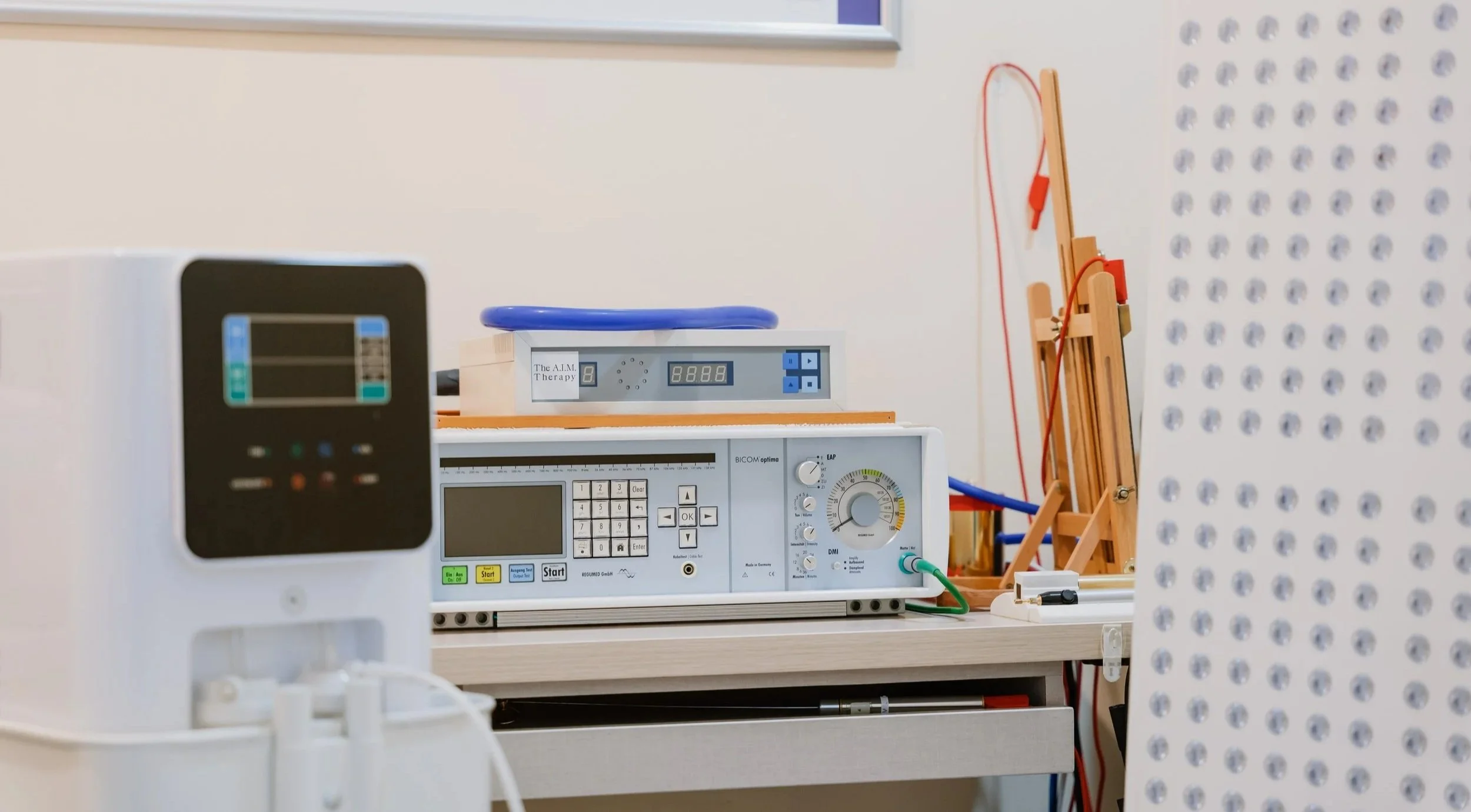
The Preventive Health Assessment at The AIM Therapy is a non-invasive, drug-free evaluation that provides insight into how well your body is functioning at a systemic and cellular level.
Using advanced bioresonance technology, we assess stress patterns across major organs, systems and regulatory pathways. This also includes detoxification, immunity, metabolism, and nervous system balance.
Rather than waiting for symptoms to worsen, this assessment helps you understand where your body is compensating and where support is needed now.
Who Is This Assessment Suitable For?
This assessment is suitable for individuals who:
Want to take a proactive approach to health
Feel “generally unwell” despite normal medical test results
Experience recurring fatigue, stress, or low energy
Have allergies, sensitivities, or inflammatory symptoms
Are concerned about long-term health, immunity, or ageing
Want to prevent chronic illness rather than manage it later
Are recovering from illness, burnout, or prolonged stress
Simply want a clearer picture of their current health status
You do not need to be sick to benefit.
In fact, this assessment is most valuable before the body breaks down.
What Does the Assessment Evaluate?
1. Pathogens & Microbial Stress
These factors can place a continuous load on the immune system and contribute to inflammation, fatigue, and poor recovery.
Viral stress patterns
Bacterial stress patterns
Parasitic stress patterns
Fungal / mycosis-related stress
Degenerated or stressed cell patterns
2. Digestive, Gut & Immune Function
The gut plays a central role in immunity, detoxification, and inflammation regulation.
Intestinal tract balance
Gut–immune interaction
Food sensitivities and intolerances
Immune system reactivity
Sugar metabolism stress (commonly linked to blood sugar regulation concerns)
3. Toxins & Environmental Load
Modern environments expose the body to substances that may interfere with detoxification and hormonal balance.
Heavy metals
Industrial chemicals
Solvents and dyes
Pesticides
Environmental and chemical toxin load
4. Hormonal & Endocrine Regulation
Hormonal balance is highly sensitive to stress, toxins, and metabolic strain.
General hormonal balance
Endocrine system regulation
Kidney-related endocrine stress
Prostate-related stress (where relevant)
Uterine-related stress (where relevant)
5. Major Organ Systems
The assessment reviews stress patterns affecting key organs responsible for circulation, respiration, and regulation.
Heart and cardiovascular stress patterns
Lung and respiratory system balance
Skin and external barrier function
Intestinal organs and supporting systems
6. Nervous System & Sensory Regulation
The nervous system governs stress response, sleep, digestion, and hormonal signalling.
Central and peripheral nervous system balance
Sensory system stress patterns
Stress-load and regulation capacity
Toxic load and detox efficiency
Immune resilience
Sensitivities and reactivity patterns
7. Musculoskeletal & Structural Stress
Physical strain and inflammation can reflect both mechanical and systemic stress.
Orthopaedic and musculoskeletal stress patterns
Joint and tissue strain indicators
8. Allergic & Sensitivity Patterns
Unresolved sensitivities often reflect immune overload or detox inefficiency.
Food-related sensitivity patterns
Inhalation and environmental allergens
How the Health Assessment Works
Step 1: Initial Consultation
We begin with a short consultation to understand your health history, current concerns, lifestyle factors, and goals.
Step 2: Bioresonance Scan
A non-invasive scan is conducted using bioresonance technology.
This assesses energetic and physiological stress signals across the body.
There are no needles, radiation, or discomfort involved.
Step 3: Results Interpretation
Your practitioner will explain the findings clearly and professionally — highlighting:
Priority areas of imbalance
Systems under strain
Early warning patterns
Vitals in your body that can be supported further
Step 4: Personalised Preventive Plan
Based on your results, we recommend a tailored therapy plan using:
Bioresonance Therapy
Photodynamic Therapy
Pulsed Electromagnetic Field Therapy
Molecular Hydrogen Therapy
The goal is not just symptom relief — but long-term regulation and resilience.
What These Results Mean
It’s important to understand that this assessment does not diagnose disease.
Instead, it identifies:
Areas of physiological stress
Systems compensating under load
Early warning signs of imbalance
Patterns that may increase long-term health risk if left unaddressed
This information allows us to design a targeted, preventive therapy plan aimed at reducing strain, supporting regulation, and strengthening resilience.
Why preventive health Assessment Matters
By the time symptoms appear, the body has often been compensating for months or years.
Preventive Health Assessment allows you to:
Reduce long-term health risks
Address inflammation before it becomes chronic
Support detox pathways proactively
Prevent energy depletion and burnout
Maintain performance, clarity, and vitality
Make informed decisions about your health
Preventive care is not about fear — it is about foresight.
Is This a Medical Diagnosis?
No. This assessment does not replace medical testing or diagnosis.
It is a complementary, preventive health tool that provides functional insight into how your body is coping and adapting, often before dysfunction becomes disease.
We encourage clients to continue working with their medical doctors where appropriate.
How Long Does the Assessment Take?
Total duration: approximately 60–75 minutes
Includes consultation, scan, and explanation of results
Is the Assessment Safe?
Yes. The assessment is:
Non-invasive
Drug-free
Painless
Suitable for adults and children
There are no known side effects.
Your First Step Toward Preventive Healthcare
Health is easier to protect than to repair.
A Preventive Health Assessment gives you clarity, and clarity allows for timely, intelligent action.
START with a Preventive health assessment today
A Preventive Health Assessment allows you to:
Assess the presence of known pathogens that are harmful to the body
Understand the health levels of your body
Identify inhalation allergens and food intolerances
Improve your digestive, gut and immune function
Evaluate which part(s) of your body is in fight or flight mode